
Phone : + 91 9172 71 0499
Home > Why Are Your Gums Bleeding? Here’s What You Should Know
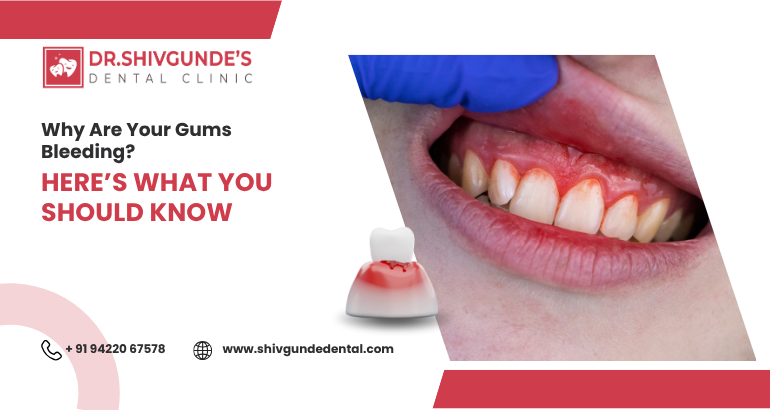
You’re not doing anything unusual. Same toothbrush, same routine, same quick glance in the mirror before starting your day.
But lately, something feels off.
There’s that slight metallic taste sometimes. A hint of pink when you rinse. Maybe even a little discomfort that wasn’t there before.
It’s easy to brush it off. “Probably brushed too hard.”
But when it keeps happening, it stops feeling random and starts feeling like a pattern.
This is exactly where most people begin their search for the right bleeding gum treatment. Not because it’s painful, but because it’s persistent.
Gum issues rarely show up dramatically. They build over time.
At first, it’s occasional. Then it becomes frequent. Then it becomes something you start expecting.
Many people deal with red, swollen gums or mild irritation but don’t realize these are early warning signs. What feels minor today can slowly turn into something that affects your daily comfort, especially while eating or brushing.
Ignoring it doesn’t make it go away. It just gives it time to grow.
Understanding the root of the problem is the first step toward the right gum treatment.
Common reasons include:
When plaque is not removed properly, it hardens and starts affecting the gum tissue. This leads to inflammation, which is why you notice bleeding even with gentle brushing.
Your gums don’t suddenly get worse overnight. They give signals.
Watch for:
These are early symptoms of gum disease, and catching them at this stage makes treatment much simpler.
It’s tempting to wait it out. But gum health doesn’t usually fix itself without care.
Without proper gum treatment, the condition can progress to:
What starts as mild irritation can turn into a need for more advanced periodontal care if left untreated.
If you’re wondering how to treat bleeding gums, the good news is that early action can make a big difference.
Start with:
These small steps support healthy gums care and help reduce inflammation over time.
For mild cases, a few home-based habits can support recovery:
While these act as a swollen gums remedy, they work best in the early stages. Persistent issues still need professional attention.
If bleeding continues despite good care, it’s time to consider professional bleeding gum treatment.
Dentists usually recommend:
These treatments focus on removing the root cause, not just managing symptoms.
Sometimes, bleeding is a sign of infection.
In such cases, a proper infected gums solution becomes important to prevent the issue from spreading. This may include targeted cleaning, medication, and follow-up care.
Addressing infection early helps avoid long-term damage and supports faster healing.
Once your gums start improving, maintaining that health becomes the goal.
Focus on:
These habits reduce the chances of needing repeated bleeding gum treatment and support long-term oral health.
Many people assume bleeding gums are temporary.
But your body rarely repeats a signal without a reason.
Once patients address the issue properly, they often notice something unexpected. Not just physical relief, but peace of mind. No more second-guessing every time they brush.
Because uncertainty can feel heavier than the condition itself.
Bleeding gums usually develop due to underlying issues like plaque buildup and poor oral care habits that go unnoticed over time. When plaque is not removed properly, it hardens into tartar, which irritates the gum line and leads to inflammation. Early symptoms of gum disease, such as red swollen gums or bad breath, may also begin to show gradually. In some cases, vitamin deficiency signs or inconsistent flossing habits further weaken gum health. Over time, these small issues combine and worsen the condition. Identifying these triggers early makes bleeding gum treatment more effective and helps prevent long-term complications.
Occasional bleeding may not seem serious, but frequent or persistent bleeding should never be ignored. If you notice pain while brushing, swelling, or signs of infection, it may indicate progressing gum issues. These periodontal disease signs often develop slowly and worsen without proper care. Ignoring them can lead to deeper infections or even gum recession. Seeking early bleeding gum treatment helps control the condition before it becomes more complicated. Acting at the right time not only reduces discomfort but also prevents more intensive dental procedures later.
Mild gum issues may improve within a few days to a week if you follow proper healthy gums care and maintain a consistent oral hygiene routine. However, if the condition involves heavy tartar buildup or infection, recovery may take longer and often requires professional support. Following the right approach on how to treat bleeding gums, including proper brushing, flossing, and dental visits, helps speed up healing. Patience is important because gum tissues take time to recover fully. Consistency in care ensures more stable and lasting results.
Yes, bleeding gums can be an early warning sign of more serious dental conditions. Issues like gum infection or periodontal disease signs often begin with mild symptoms such as bleeding or swelling. If ignored, they may lead to receding gums or even tooth instability over time. Early bleeding gum treatment, along with regular dental checkups, helps stop the progression. Taking action early not only protects your gums but also preserves overall oral health.
Prevention starts with maintaining strong and consistent oral hygiene habits. Brushing twice daily, improving flossing habits, and scheduling regular dental visits are essential steps. Avoiding excess plaque buildup and managing vitamin deficiency signs also play an important role in gum health. Following a proper healthy gum care routine helps keep your gums strong and resistant to infection. Small daily habits make a big difference in preventing recurring problems.
Yes, your daily lifestyle has a direct impact on your gum health. Factors like poor oral hygiene, irregular brushing, and unhealthy eating habits can weaken gums over time. Smoking and stress may also increase inflammation and slow down healing. These factors often worsen existing gum issues and delay recovery. Maintaining a balanced lifestyle, along with the right swollen gums remedy, supports faster healing and long-term stability. Healthy habits not only improve your gums but also enhance overall oral health.
Bleeding gums don’t demand attention loudly.
They show up quietly, again and again, until you finally notice.
If that pink tint has become a regular thing, it might be time to act.
Choosing the right bleeding gum treatment isn’t about reacting to a problem.
It’s about preventing something bigger.
And sometimes, that small step makes all the difference.